Microneedling with Chemical Peel, $50 OFF


Laser Hair Removal (Bikini & Under Arms), $100/treatment


First time eyelash extensions, 40% OFF


Microneedling with Chemical Peel, $50 OFF


Laser Hair Removal (Bikini & Under Arms),
$100/treatment


First time eyelash extensions, 40% OFF


Combining microneedling and chemical peels can improve texture, tone, and clarity more than either treatment does alone, as long as the peel strength, timing, and aftercare fit your skin. At CNT Medspa, we offer this pairing as our Microneedling Delux, which joins microneedling with a customized chemical peel in one visit. Here is what we tell patients about combining microneedling and chemical peels: key considerations start with your skin type, your skin history, and how closely you can follow aftercare.
This article covers how the two treatments work together, who tends to do well with them, what recovery looks like, and how to protect your results.

Microneedling and chemical peels approach the skin from two directions. Microneedling works from within by prompting the skin’s natural repair response. A chemical peel works on the surface by loosening dull, built-up cells so fresher skin can come through.
Each treatment has limits when used alone. A light peel can brighten skin but may not do much for deeper texture. Microneedling can soften texture over time, but the surface may still look uneven or dull. Pairing them lets one session address both the surface and what sits beneath it.
Many of our patients choose the combination because they have more than one concern at once. Uneven tone, rough texture, enlarged pores, and post-acne marks often show up together. A combined plan treats them as a group rather than one at a time.
Our microneedling treatment uses a dermal pen with a group of tiny needles. The pen creates a series of shallow micro channels in the skin. Your skin responds to these small channels by starting its repair process, which supports collagen and elastin over the following weeks.
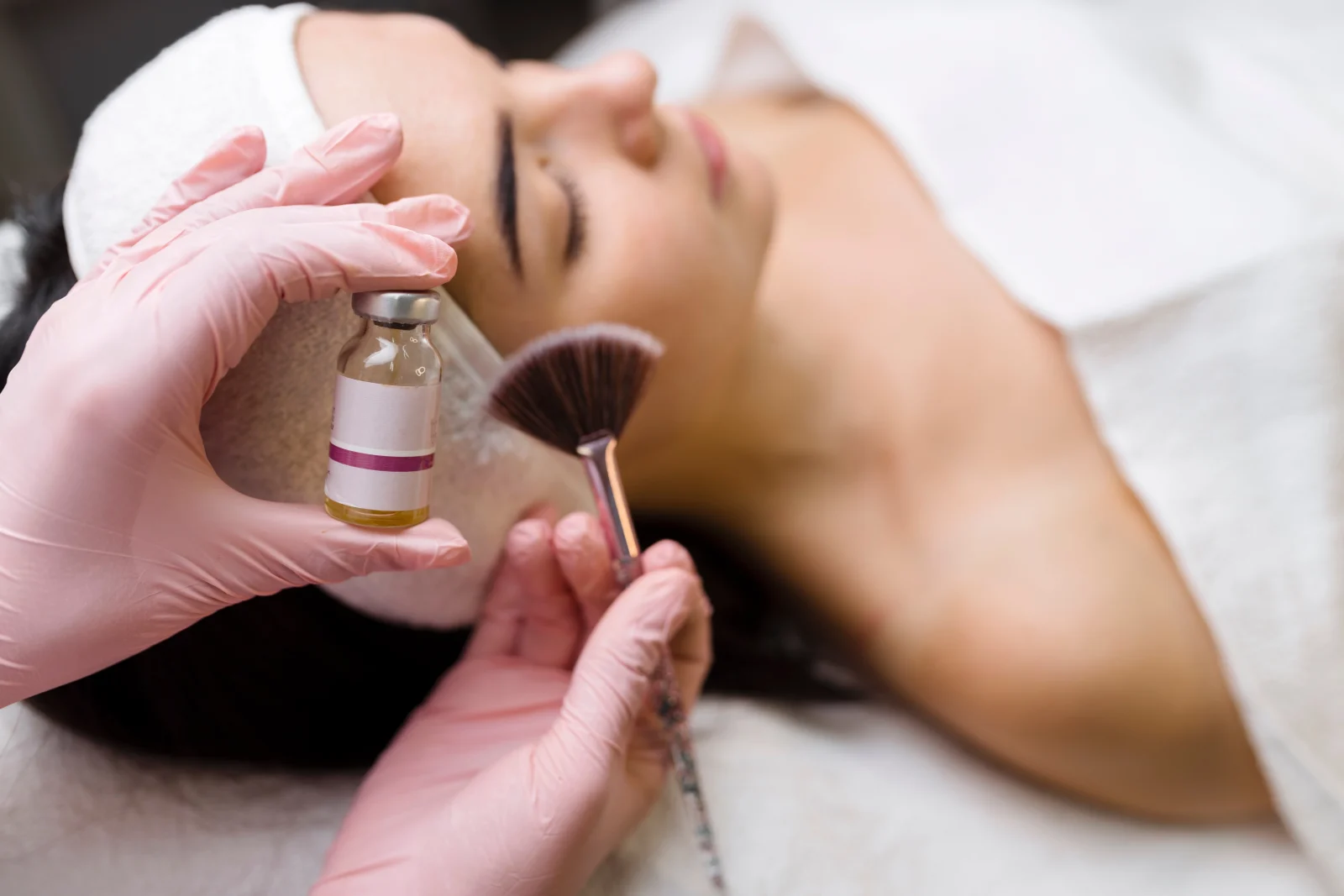
A chemical peel uses an acid solution to exfoliate the outer layer of skin. Depending on the formula, a peel can target dullness, oil, discoloration, or breakouts. We customize the peel to the patient’s skin rather than using one formula for everyone.
When the two are paired, the peel smooths and refreshes the surface while microneedling encourages renewal underneath. This is why the peel strength matters so much. Skin that has just been microneedled is more open and more reactive, so a combined session calls for a peel chosen with that in mind.

Patients often notice a brighter, more even look sooner with the combination than with microneedling alone. The peel clears away the dull surface layer, so the skin looks refreshed once it settles. Meanwhile, the collagen response from microneedling builds gradually, so texture keeps improving in the weeks after treatment.
Combining also makes each visit work harder. Rather than scheduling separate appointments for surface concerns and texture concerns, you address both in the same session. Over a series of treatments, many patients find this gives steadier progress.
The pairing is useful for patients dealing with several issues at once, such as:
Rough or uneven texture
Fine lines
Dullness and uneven tone
Enlarged-looking pores
Marks left behind after breakouts
Sun-related discoloration
For patients whose main concern is active acne, our team may suggest a peel-focused plan first. Once breakouts are calmer, microneedling can be added to work on lingering texture.
Good candidates are generally healthy adults who want to improve texture, tone, or both, and who have realistic expectations about gradual change. People with these goals often do well:
Mild to moderate texture concerns or shallow marks from past breakouts
Dull or uneven skin that has not responded to facials alone
Early signs of aging such as fine lines
A willingness to follow aftercare and protect the skin from the sun
Your skin history guides the plan. Our providers review your current products, recent treatments, and how your skin has reacted to exfoliation in the past. Someone who has never had a peel may start with a gentler formula. Someone with sensitive skin may need a modified approach or separate visits.
Some situations mean the combination should wait or be skipped. These commonly include:
Active skin infections, open sores, or a current cold sore outbreak
Inflamed, cystic acne in the treatment area
A flare of eczema, psoriasis, or rosacea
A recent sunburn or heavy recent sun exposure
Recent use of oral isotretinoin
Pregnancy or breastfeeding
A history of keloid scarring
Recent use of strong retinoids or exfoliating acids without a pause beforehand
Always tell our team about medications, supplements, and any recent cosmetic treatments. Even details that seem minor can change which peel we choose or whether we combine at all.
There are two common ways to combine these treatments. The first is a same-day session, such as our Microneedling Delux, where a customized peel is paired with microneedling in one visit. Same-day pairing uses a peel selected for skin that has just been microneedled, which usually means a gentler formula than a peel done on its own.
The second option is to stagger the treatments. In this approach, microneedling and peels happen on separate visits spaced a few weeks apart. Staggering can suit patients with sensitive skin, a darker skin tone that is prone to discoloration, or anyone trying a peel for the first time.
Most people need a series of sessions to see their full result. Spacing gives the skin time to heal and rebuild between visits. Our providers set the timeline based on how your skin responds after each session, so the plan can shift as you go.
It also helps to plan around your calendar. Avoid scheduling a combined treatment right before a major event, a beach trip, or a long stretch outdoors. In Phoenix, where the sun is strong most of the year, many patients prefer cooler months for more intensive skin work.
Without training, it is hard to judge peel strength, needle depth, or how your skin is reacting in the moment. Using an at-home acid right after rolling can cause burning, irritation, and lasting discoloration.
In-office treatment allows our providers to match the peel to your skin and adjust as needed. At home, your role is supportive: gentle cleansing, hydration, and sun protection. If you use retinoids, exfoliating acids, or scrubs, ask our team when to stop them before treatment and when it is safe to restart.
Pros
Addresses surface and deeper concerns in one visit
Can produce a brighter look sooner than microneedling alone
Supports gradual texture improvement through collagen renewal
Fewer separate appointments to reach your goals
Peel can be customized to your skin type and concerns
Cons
More redness and sensitivity than either treatment alone
Longer recovery than a light peel by itself
Not suitable for everyone, especially with certain skin conditions
Requires strict sun protection and careful aftercare
Results build over a series of sessions rather than all at once
Weighing these points honestly helps you decide whether a combined session or a staggered plan fits your skin and your schedule.
Most patients look flushed, similar to a sunburn, right after a combined session. Redness usually fades over a few days. Some tightness and dryness are normal during this time.
Flaking or light peeling often starts a few days after treatment and can last several days, depending on the peel used. This is part of the skin’s renewal, so avoid picking or pulling at loose skin. Let it shed on its own.
Other possible side effects include:
Temporary swelling
Tenderness or a warm feeling in the skin
Mild breakouts as the skin adjusts
Increased sensitivity to products and sun
Temporary darkening of some spots, more common in deeper skin tones
Most people return to daily routines quickly, though some prefer to stay home for a day or two while redness is at its peak. If you notice signs of infection, severe pain, or blistering, contact our team promptly.
Aftercare protects your results as much as the treatment itself. These habits help skin heal well:
Keep it gentle. Use a mild cleanser and lukewarm water. Skip scrubs, brushes, and washcloths.
Hydrate. Apply a simple, fragrance-free moisturizer to support the skin barrier.
Protect from the sun. Wear a broad-spectrum sunscreen every day and reapply when outdoors. A wide-brimmed hat helps, especially under the Phoenix sun.
Pause active products. Hold off on retinoids, exfoliating acids, and vitamin C until our team says your skin is ready.
Skip makeup briefly. Give the skin time to close its micro channels before applying makeup.
Avoid heat and sweat. Steer clear of saunas, hot yoga, and intense workouts for the first few days.
Leave flakes alone. Picking at peeling skin can lead to marks.
Between sessions, maintenance treatments can help keep skin smooth and clear. Depending on your goals, our team may suggest a Hydro facial or dermaplane once your skin has fully recovered. You can explore our full range of skin treatments to see how they fit together.
Pairing microneedling with a customized peel can address texture, tone, and clarity in one plan. The key considerations are your skin type, any contraindications, peel strength, treatment timing, and committed aftercare. Our providers tailor each combined session, including our Microneedling Delux, so the approach fits your skin rather than a one-size-fits-all formula.
For more information about combining microneedling and chemical peels: key considerations, visit our Microneedling, learn about Hydrafacial, or see our location and hours.

CNT Medspa was founded on Carmen’s belief that beauty should be safe, inclusive, and empowering. With a background in healthcare administration and a passion for aesthetics, she created a welcoming space for high-quality treatments.

Carmen Morrow, BSHA